Is Sri Lanka safe? What the advice says, and what to watch for
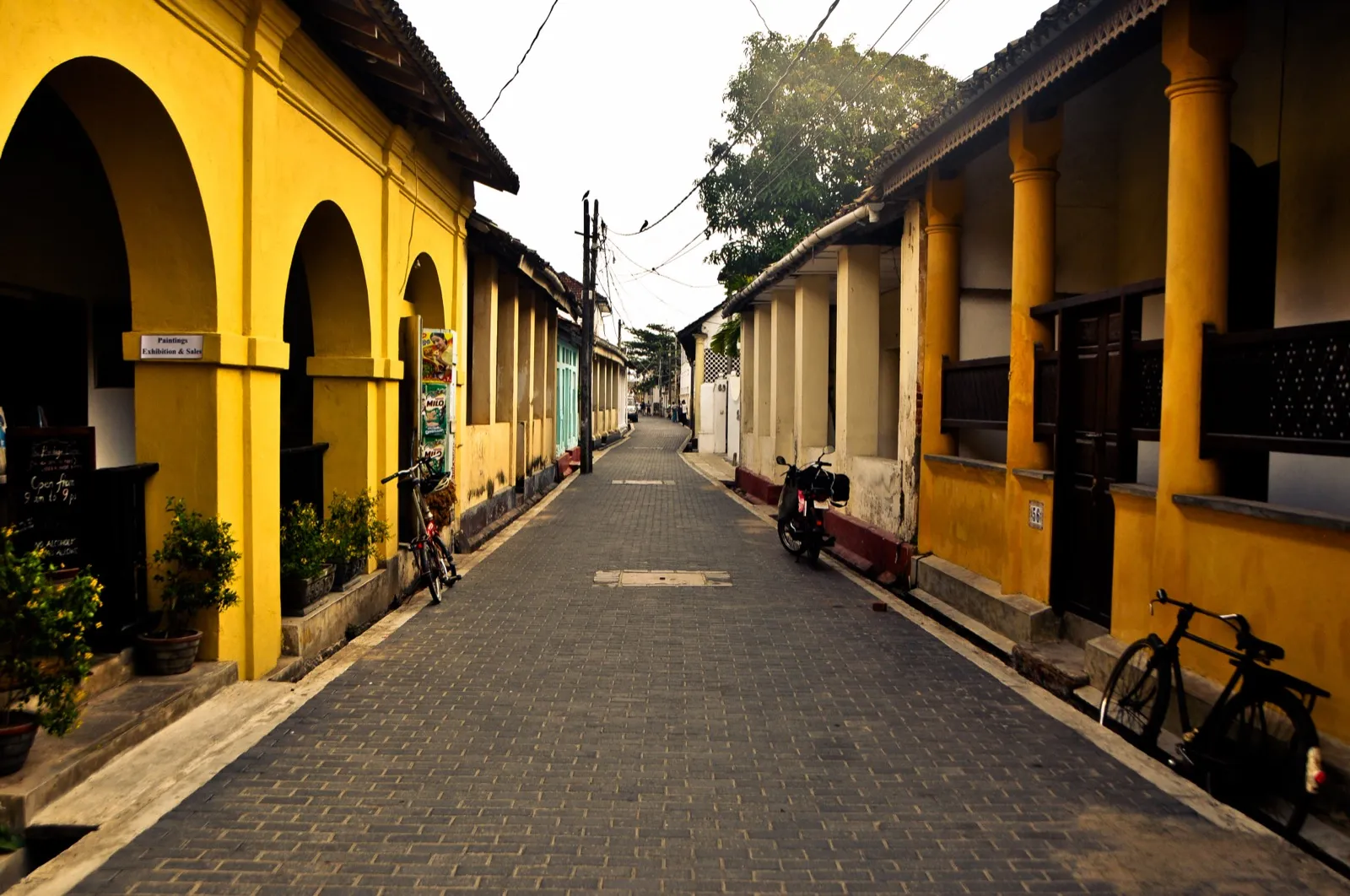
Is Sri Lanka safe? As of October 2026, the UK government does not advise against travel to any part of Sri Lanka, and the United States rates it Level 2 of 4, "Exercise increased caution". No travel can be guaranteed safe. The risks visitors meet most are on the roads and in the sea, plus petty theft, scams and dengue.
This guide sets out what five governments' travel advice says, with dates, and the practical steps that follow from it.
What does official travel advice say about Sri Lanka?
As checked on 5 October 2026:
- United Kingdom: the UK government does not advise against travel to any part of Sri Lanka. Its travel advice was last updated on 21 September 2026, when it added a warning about heavy rain, flooding and landslides. Like every FCDO page, it says that no travel can be guaranteed safe.
- United States: Level 2 of 4, "Exercise increased caution", because of unrest, terrorism and landmines. That advisory was issued on 8 October 2025 and was still current in October 2026.
- Canada: "exercise a high degree of caution" because of demonstrations, the threat of terrorist attacks and crime. This is the second of Canada's four levels; its advice was last updated on 7 July 2026, when a dengue health notice was added.
- Australia: "exercise a high degree of caution", because of the threat of public demonstrations and security risks. The advice was last updated on 14 August 2026 and was marked still current on 5 October 2026.
- New Zealand: level 2 of 4, "Exercise increased caution", citing the after-effects of the economic crisis, the potential for civil unrest and the risk of terrorism.
These levels change, so read your own government's page again before you travel.
Is there a risk of terrorism or unrest?
The UK government says terrorist attacks in Sri Lanka cannot be ruled out, and that they could happen in places visited by tourists, such as hotels, beaches, tourist sites, places of worship and large gatherings. It recalls the Easter Sunday attacks of April 2019, when more than 250 people were killed in attacks on three churches and three hotels. Its advice is to stay aware of your surroundings, avoid crowded public places, and follow local media and the authorities.
Protests can happen anywhere in Sri Lanka at short notice and can turn violent, says the UK government; police may use water cannon and tear gas. Australia adds that public emergencies can be declared and curfews imposed at short notice, so carry your passport or a copy. Stay away from demonstrations and follow local news. The last large-scale unrest was in 2022; we found no curfew in 2026 up to October.
In parts of the north and east, landmines from the civil war have not all been cleared. Stay on roads and cleared paths there, and take warning signs seriously. The main tourist areas of the south, west and hill country are not affected.
Is Sri Lanka safe for tourists from crime?
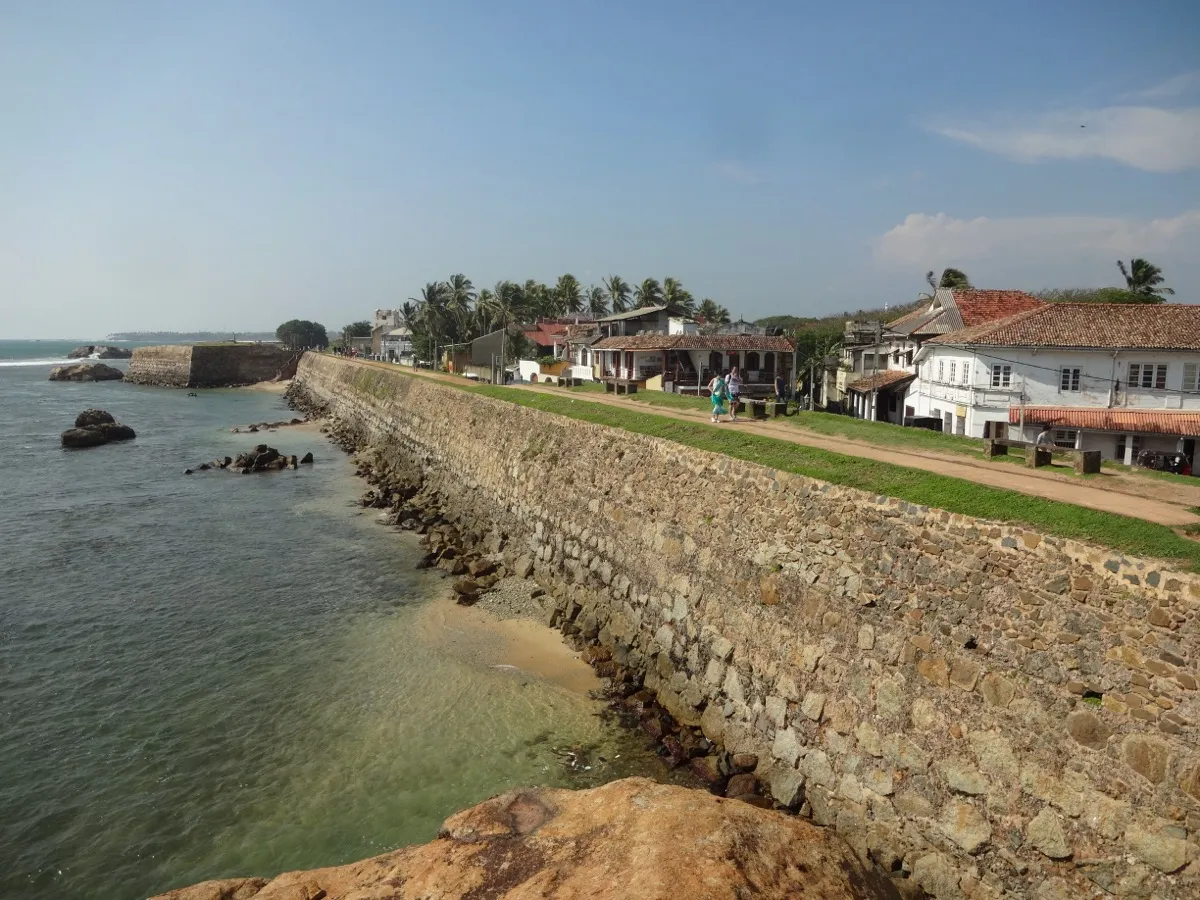
Most crime against visitors is petty. The UK government reports more low-level theft, including from hotel rooms and by thieves on motorbikes who snatch bags, and says violent crime against foreigners is rare. Bank card fraud is common, so use ATMs inside banks or hotels where you can, and keep your card in sight. Never leave a drink unattended: governments warn of drink spiking followed by robbery or assault, and Australia also warns about methanol in alcoholic drinks.
Which scams should you watch for?
The scams governments warn about are overcharging, card fraud and fake goods. Australia says traders may overcharge foreigners and sell fake goods, especially jewellery and gems, so buy gems only from a shop you chose yourself and keep the receipt. With tuk-tuks, agree the price before you get in, or use one with a working meter or a ride app; see what a tuk-tuk ride should cost. Never hand anyone your bank card: in May 2026 Colombo police arrested a tuk-tuk driver who took 180,000 rupees from two cruise passengers' card for an agreed 18,000-rupee fare.
Is Sri Lanka safe for women travelling alone?
Women travellers should know that harassment is a real problem. The UK government says women continue to report verbal and physical harassment by men, from lewd comments to sexual assault, most often in crowded places such as markets, bus and railway stations, buses and tourist sites. Canada says reports of sexual assault against foreign travellers are increasing. Take care when travelling alone, especially at night; if a tuk-tuk driver makes you uneasy, get out and take another.
Same-sex sexual activity is illegal in Sri Lanka. The UK government says it is not aware of any prosecutions, but Canada warns that LGBTQ+ people may face discrimination and should carefully consider the risks. Be discreet in public.
How dangerous are the roads?
Road accidents are one of the biggest everyday risks. The UK government says driving is erratic and accidents are frequent, particularly at night, and that public buses are often driven fast and poorly maintained. Police figures show 2,710 road deaths in Sri Lanka in 2025. Avoid long drives after dark, wear a seat belt wherever there is one, and ask your driver to slow down if you are uneasy. If you want to drive yourself, read our guide to driving in Sri Lanka for the permit rules first.
Since March 2026 fuel has been rationed with a QR-code system because of supply problems linked to the Middle East conflict, and in August 2026 the government said it would continue. Governments say visitors on tours are unlikely to be affected, because tourism has special arrangements, but if you hire a vehicle, check it is registered for fuel.
Is the sea safe to swim in?
The sea is the risk visitors most often underestimate. The UK government says many beaches have dangerous surf or rip currents at certain times of the year, and Australia says lifesaving services are rare. Ask your hotel about the sea before you go in, every day, obey any warning flags, and do not swim in rivers or lagoons, where there can be crocodiles. Calm-looking water is not proof that it is safe: visitors drowned or had to be rescued on both the south and east coasts in 2025 and 2026. Our guide to swimming in Sri Lanka explains the seasons and the warning signs.
What about floods, cyclones and the weather?
Monsoon rain brings floods and landslides, and Sri Lanka can be hit by tropical cyclones. In November 2025 Cyclone Ditwah caused severe damage across the island, especially in the central hills; the national Disaster Management Centre counted 646 deaths and 173 people missing by the end of December 2025. Australia says, as of August 2026, that most affected areas have been cleared and tourist places are operating as usual, but repairs to rail lines, bridges and landslide areas will take time. In September 2026 the UK government added a warning about heavy inter-monsoon rain and flooding. Before travelling to Kandy, Nuwara Eliya or Ella by road or rail, check conditions locally. The Kandy to Ella train guide has the rail status.
Are wild animals a danger?
Wild animals are a real hazard. The UK government says wild elephants and crocodiles will attack people on occasion. On safari, stay in the vehicle unless your guide or a warden says it is safe, keep your distance, and never feed animals: feeding is prohibited in national parks, and wildlife officials take legal action against people who feed elephants by the road. Wild elephants also roam outside parks: in February 2026 a visitor walking back to his hotel near Pidurangala, by Sigiriya, was killed by one. Do not walk rural roads in elephant areas after dark.
Which laws catch visitors out?
- The Buddha. Respect for the Buddha is enforced by law. The UK government says disrespecting Buddhist images is a serious offence that can lead to arrest, and that a visible Buddha tattoo can get you refused entry or deported. Do not pose for photos with your back to a Buddha statue; Canada says you can be fined, arrested or deported for it. Cover your shoulders and knees and take off shoes and hats in temples. See the rules on Buddha images.
- Drugs. Drug laws are severe. The UK government says you should expect a long jail sentence and heavy fines for possessing, using or smuggling illegal drugs, including cannabis, and that airports scan the bags of transit passengers too. Australia notes that the penalties include the death penalty.
- Photos and drones. Do not photograph or fly a drone near military bases, government buildings or VIP vehicles. Australia warns that high-security zones are not always marked, so if soldiers or police are guarding a place, keep your camera away.
- ID. Carry your passport, or a copy of it, at all times; Australia warns you could be detained without ID.
What about health and drinking water?
Dengue fever, spread by mosquitoes that bite in the daytime, is widespread in Sri Lanka in 2026, and Canada and New Zealand have both issued dengue notices. Use insect repellent day and night.
Do not drink the tap water unless it has been boiled or treated. Australia's advice for Sri Lanka is to drink only boiled or bottled water, and UK health guidance for travellers is to avoid ice unless you know it is made from safe water.
Medical care outside the main cities is limited, and serious cases may need to go to Colombo or be evacuated, so take travel insurance that covers medical evacuation. Our guide to health in Sri Lanka covers vaccines, dengue and water.
Which numbers should you save?
- Police: 119 (or 118).
- Ambulance: 1990, the free national 1990 Suwa Seriya service.
- Fire and rescue: 110 (the UK lists 111, so try 110 first).
- Tourist Police: +94 11 242 1052.
- Sri Lanka Tourism hotline: 1912, which can put you through to the Tourist Police.
For the everyday mistakes that cost visitors time and money, see first-time mistakes in Sri Lanka.
Questions people ask
Is it safe to travel to Sri Lanka now?
As of October 2026, the UK government does not advise against travel to any part of Sri Lanka; its advice was last updated on 21 September 2026. The US rates Sri Lanka Level 2 of 4, "Exercise increased caution". No travel can be guaranteed safe, so read your government's advice before you go.
Is Sri Lanka safe for tourists?
Governments say violent crime against foreigners is rare and most crime is petty, such as theft and card fraud. The bigger everyday risks are road accidents, the sea, and dengue fever.
Is Sri Lanka safe for solo female travellers?
The UK government says women continue to report harassment, from lewd comments to sexual assault, most often in crowded places. Take care when travelling alone, especially at night, and leave any tuk-tuk where the driver makes you uneasy.
Is the tap water safe in Sri Lanka?
Do not drink it unless it has been boiled or treated. Australia's advice for Sri Lanka is to drink only boiled or bottled water.
What is the emergency number in Sri Lanka?
Police 119, ambulance 1990 (the free 1990 Suwa Seriya service), and the Tourist Police on +94 11 242 1052. Sri Lanka Tourism's hotline, 1912, can put you through to the Tourist Police.
Sources (26)
Every fact in this guide was checked against these sources on 5 October 2026. Official and primary sources come first. How we research.
- 1990 Suwa Seriya Foundation, official site · 1990.lk
- Auswärtiges Amt, Sri Lanka travel and safety advice · auswaertiges-amt.de
- US Department of State, Travel Advisories data feed (official API), Sri Lanka entry · cadataapi.state.gov
- GOV.UK content API record for the FCDO Sri Lanka advice (change history, alert status) · gov.uk
- UK FCDO travel advice, Sri Lanka: Getting help · gov.uk
- UK FCDO travel advice, Sri Lanka: Health · gov.uk
- UK FCDO travel advice, Sri Lanka: Regional risks · gov.uk
- UK FCDO travel advice, Sri Lanka: Safety and security · gov.uk
- UK FCDO travel advice, Sri Lanka: Warnings and insurance · gov.uk
- New Zealand Government SafeTravel, Sri Lanka (level updated 29 Nov 2024; page updated 3 Jul 2026; still current 5 Oct 2026) · safetravel.govt.nz
- SLTDA, Dial 1912 · sltda.gov.lk
- SLTDA, Guideline for Vehicle Safari Tour Operations (2024) · sltda.gov.lk
- Australian Government Smartraveller, Sri Lanka (updated 14 Aug 2026; 'still current at 05 October 2026') · smartraveller.gov.au
- Government of Canada travel advice, Sri Lanka · travel.gc.ca
- US Department of State, Sri Lanka Travel Advisory, Level 2 · travel.state.gov
- US CDC Travelers' Health, Sri Lanka (page date 25 Aug 2026) · wwwnc.cdc.gov
- NaTHNaC TravelHealthPro, Food and water hygiene factsheet (updated 23 Oct 2025) · travelhealthpro.org.uk
- Ada Derana, 27 Jul 2026, Nilaveli drowning · adaderana.lk
- Ada Derana, 28 Sep 2026, legal action over feeding wild elephants · adaderana.lk
- Ceylon Today, 18 Feb 2026 · ceylontoday.lk
- Daily Mirror, 9 Aug 2026, Weligama surfer · dailymirror.lk
- Xinhua, 2 Jan 2026, quoting the Sri Lanka Police Spokesperson on 2025 road deaths · english.news.cn
- Newswire, 20 Dec 2025, Hikkaduwa death · newswire.lk
- Newswire, 24 May 2026 · newswire.lk
- Newswire, 25 Aug 2026 · newswire.lk
- UN in Sri Lanka, Cyclone Ditwah Situation Report, 23 Jan 2026 (citing DMC figures as of 29 Dec 2025) · srilanka.un.org
Related guides
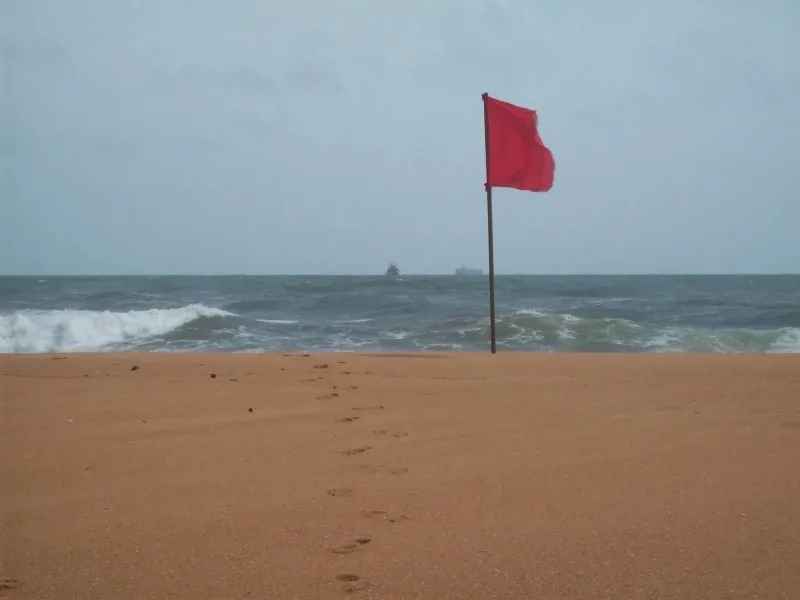
Swimming safety in Sri Lanka: the sea, the seasons and the lifeguards
Many Sri Lankan beaches have dangerous surf or rip currents, in every season. Calmer months, lifeguarded beaches, flags, and how to decide each day (2026).
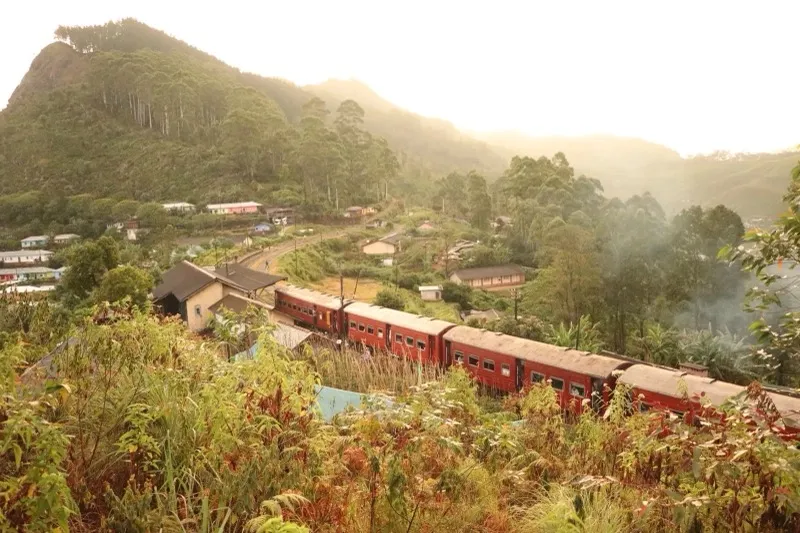
Ten mistakes first-time visitors make in Sri Lanka
Skipping the ETA, planning a Kandy to Ella train that is not running, the wrong season, and seven more mistakes to avoid on a first trip (Oct 2026).
Health in Sri Lanka: vaccines, dengue and drinking water
What UK and US health agencies say for Sri Lanka: routine vaccines, typhoid and hepatitis A for many, no malaria, dengue all year (checked Oct 2026).
More guides in Planning