When to visit Sri Lanka: the two monsoons, explained
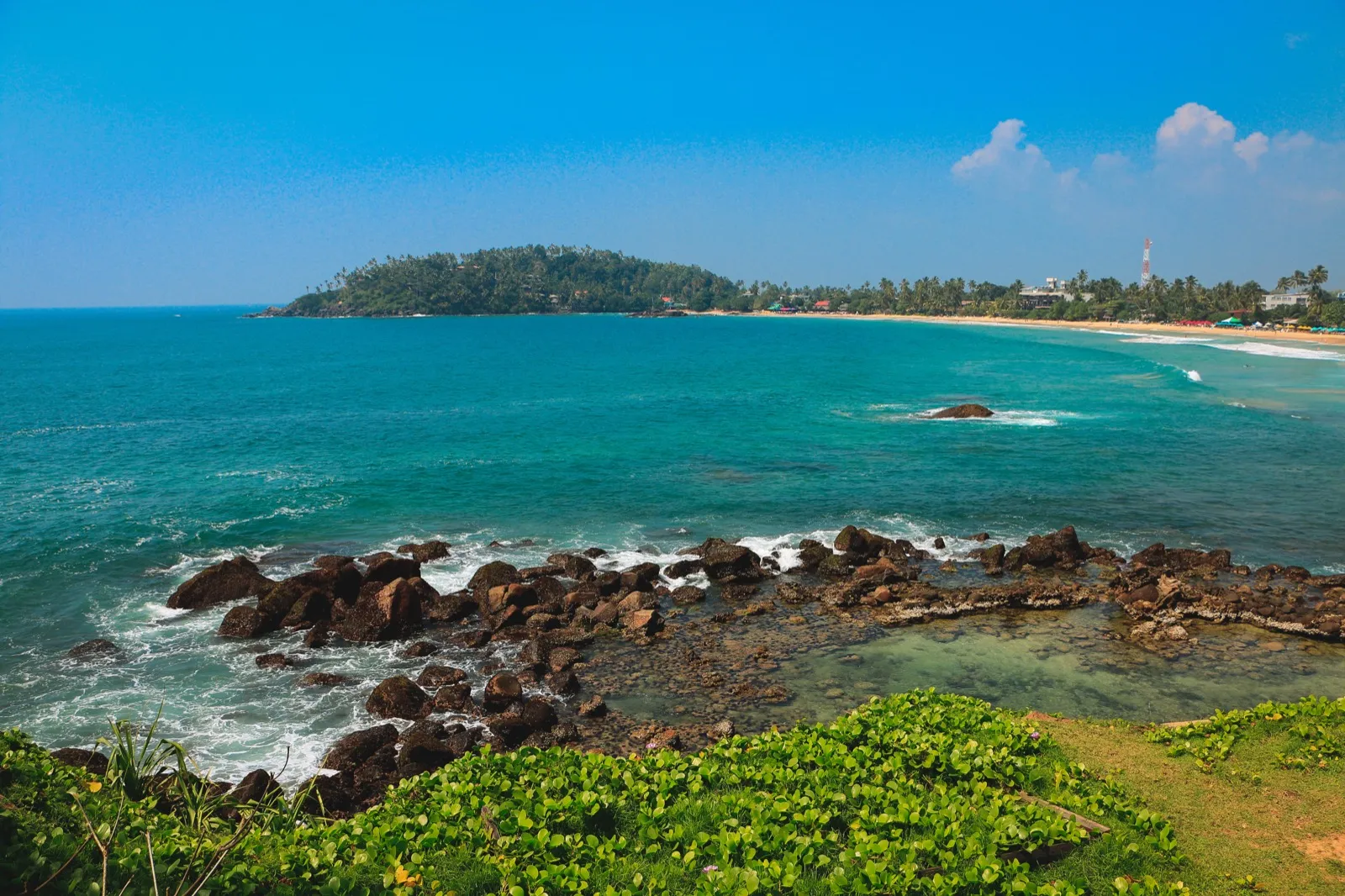
For the classic route through the Cultural Triangle, Kandy, the hill country and the south coast, the best time to visit Sri Lanka is usually January to March, the driest months on the west and south coasts and in the hills. For the east coast, go April to September. Two monsoons hit opposite coasts, so somewhere is usually dry.
That is the short answer. The longer answer explains why, because once you understand the two monsoons, you can plan a good trip in almost any month.
What are Sri Lanka's monsoon seasons?
Sri Lanka's Department of Meteorology divides the year into four seasons:
- First Inter-monsoon: March to April.
- Southwest monsoon: May to September.
- Second Inter-monsoon: October to November.
- Northeast monsoon: December to February.
A monsoon is a seasonal wind that brings rain. Sri Lanka has two of them, coming from opposite directions at different times of year. The two monsoons hit opposite sides of the island. So in most months, one coast is wet while the other is dry. October and November are the exception, when rain is spread across the whole island. For what the seasons mean for the sea, see swimming safety in Sri Lanka.
Where does it rain from May to September?
From May to September, the Southwest monsoon brings rain to the south-west of the island: Colombo, the west coast, the south coast around Galle, and the western side of the hill country. On the coast, the heaviest rain usually comes early, in May. The north and the east get little rain in these months.
This is the season for the east coast. Trincomalee and Arugam Bay are at their best, and the Cultural Triangle is in its driest months.
Where does it rain from December to February?
From December to February, the Northeast monsoon brings rain to the north, the east coast and the eastern side of the hill country. The west coast is at its driest in January and February. December and March are drier than most months there, but showers are still common.
This is the season for the classic loop: the west and south coasts, Kandy and the Cultural Triangle.
What is the weather like in March, April, October and November?
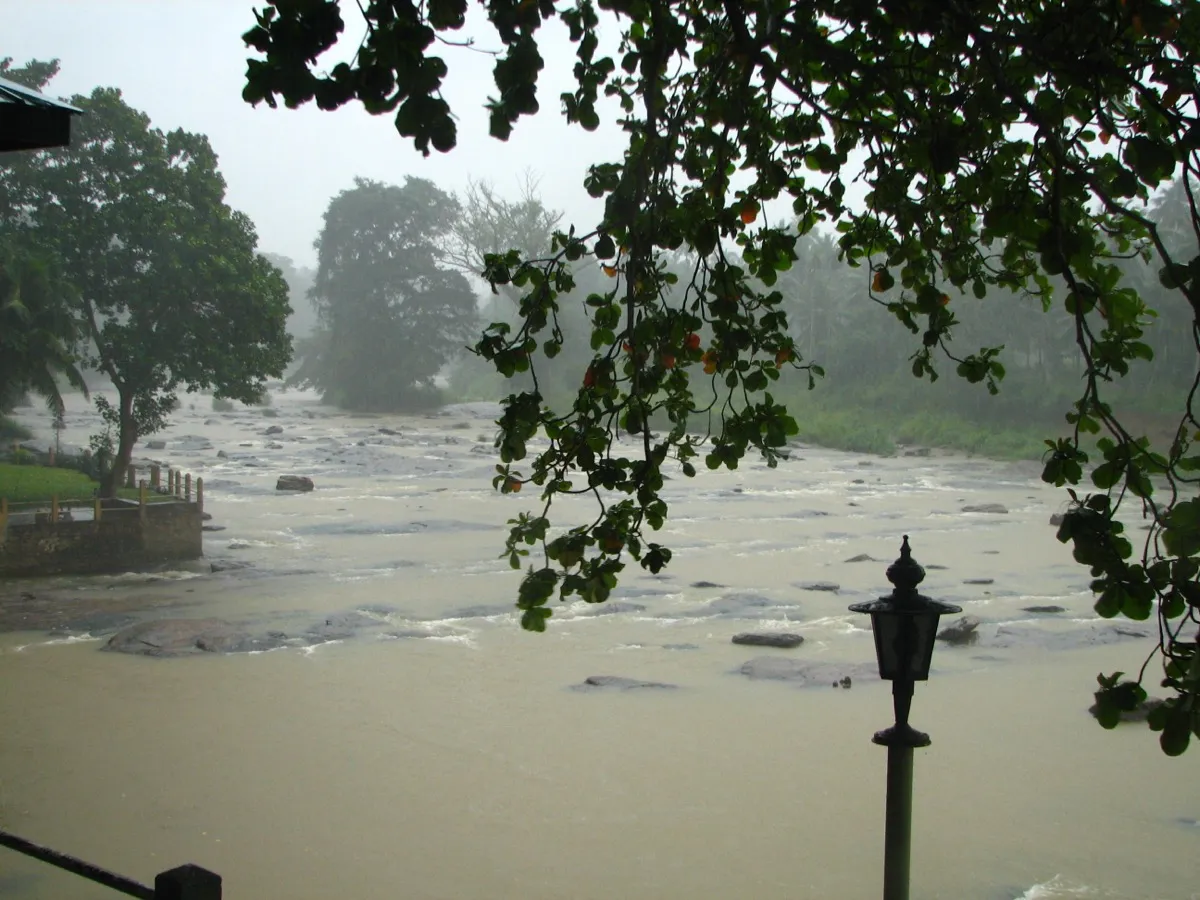
In the inter-monsoon months, March to April and October to November, rain usually comes as thunderstorms in the afternoon or evening. Monsoon rain is different. It can fall at any time of day or night, sometimes for long spells.
October and November are the wettest time of year for the island as a whole. Thunderstorms can happen anywhere. Depressions and cyclones from the Bay of Bengal are most common in this season, and they can bring floods and landslides.
When is the best time to visit each region?
West and south coasts (Colombo, Galle, Mirissa)
For the west and south coasts, the driest months are usually January to March. December and April are often good too, but wetter.
East coast (Trincomalee, Arugam Bay)
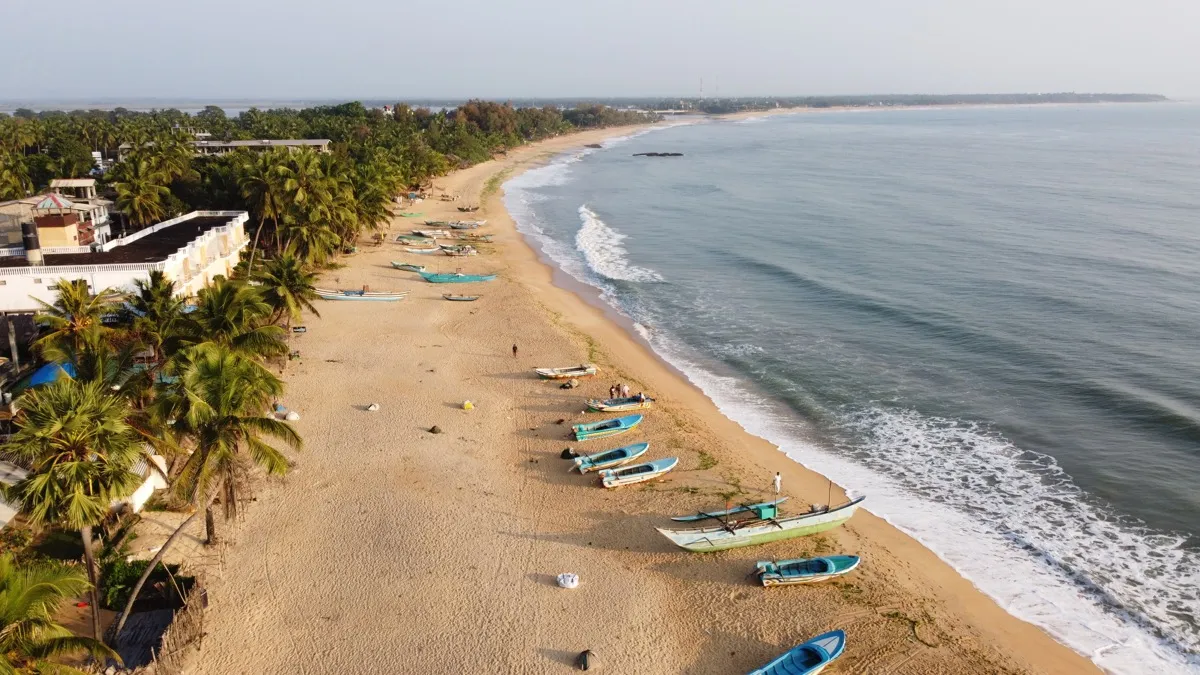
For the east coast, the dry months are usually April to September.
The Cultural Triangle (Sigiriya, Dambulla, Polonnaruwa, Anuradhapura)
The Cultural Triangle can be visited all year. Its wettest months are usually October to December, and its driest are June to September.
The hill country (Kandy, Nuwara Eliya, Ella)
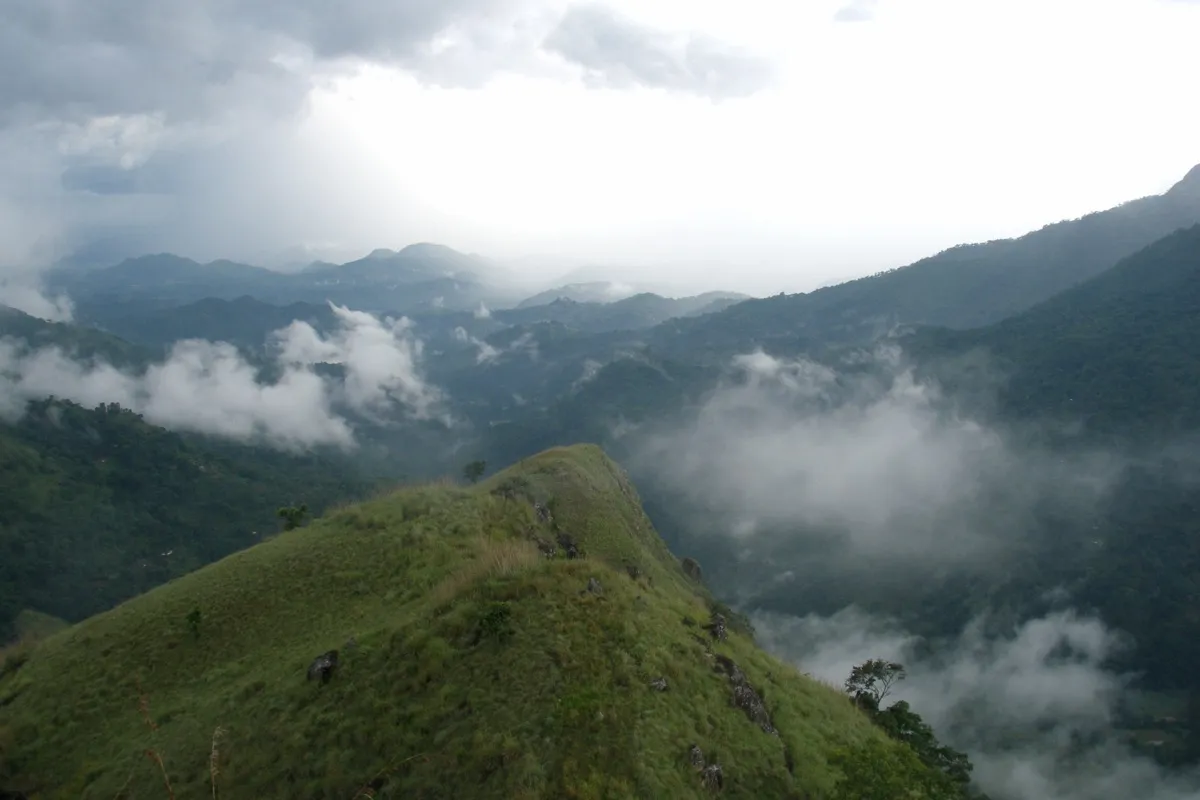
The hill country gets rain from both monsoons, from the west in the middle of the year and from the east at the end of it. Around Kandy and Nuwara Eliya, January to March are usually the driest months, and October and November the wettest.
What are Sri Lanka's wet and dry zones?
Sri Lanka has a wet zone in the south-west, including most of the hill country, and a much larger dry zone across the north, the north-centre and the east. A narrow intermediate zone lies between them. The wet zone gets more than 2,500 mm of rain a year. The dry zone gets less than about 1,750 mm, with a long dry spell from about May to September.
Rainfall varies a lot across a small island. The driest areas, in the south-east and north-west, get less than 900 mm a year. The wettest western slopes of the hills get more than 5,000 mm. This is why a single "rainy season" for the whole country does not exist.
How hot is Sri Lanka, and how cold are the hills?
In the lowlands, the average temperature is about 27 to 28 degrees Celsius, and it changes little through the year. Afternoons are hotter: in the north, north-central and east, daily highs average 33 to 35 degrees in the warmest months.
The hill country is cooler. Nuwara Eliya, at about 1,900 metres, has an average temperature of about 16 degrees, and nights can be cold from December to February. Pack one warm layer even for a beach trip.
Sri Lanka month by month
A quick guide, built from the patterns above. Treat it as a likely pattern, not a promise.
- January: the driest month on the west coast, and dry in the hill country. The Northeast monsoon brings rain to the north and east. Busy season; nights can be frosty at Horton Plains.
- February: much like January: dry on the west and south coasts and in the hills, wet in the north and east. Whale peak off Mirissa.
- March: still dry for the classic loop. The First Inter-monsoon begins, with afternoon or evening thunderstorms. Whale peak off Mirissa; the Adam's Peak pilgrimage season continues.
- April: afternoon storms; December and April are often good on the west and south coasts but wetter. The east coast starts its dry months. Sinhala and Tamil New Year on 13 and 14 April.
- May: the Southwest monsoon starts, and on the west and south coasts the heaviest rain usually comes early, in May. The east is dry. One of the quietest months. Vesak falls on a May full moon.
- June: rain on the west and south coasts and western hills; the east coast and the Cultural Triangle are in their driest months. One of the quietest months.
- July: the Southwest monsoon continues; the east coast is dry. A smaller second peak of visitors. The Kandy Esala Perahera may start in July or August.
- August: as July. Elephant numbers at Minneriya usually build towards their peak around late August and September.
- September: the last month of the Southwest monsoon. Minneriya's Gathering is usually near its peak. Yala's main blocks may close for drought around September and October.
- October: the Second Inter-monsoon: the wettest time for the island as a whole, with thunderstorms anywhere and a risk of cyclones.
- November: still part of the wettest period, with cyclone risk; Cyclone Ditwah struck in late November 2025. Mirissa's whale trips begin.
- December: the Northeast monsoon brings rain to the north and east; the west is drier, though showers are common. The busiest month in 2025. The Adam's Peak season opens on the December full moon.
When is Sri Lanka busiest?
December to March is the busiest time for foreign visitors. In 2025, December was the busiest month, with about 259,000 arrivals. There is a smaller second peak in July and August. May and June are the quietest months.
The best weather for the classic loop and the busiest season are the same months. If you travel then, book trains and popular places early.
When are the whale, elephant and leopard seasons?
- Whales off Mirissa: on the south coast, blue whales are seen most often from December to April. Off Trincomalee, on the east coast, sightings peak from February to April. Research records few blue whales there after April. See our guide to whale watching from Mirissa.
- Elephants at Minneriya: in the dry season, as the Minneriya reservoir shrinks, hundreds of elephants gather on the new grass at its edge. Sri Lanka Tourism gives May to October as the time to see this. Elephant researchers say June to October, and numbers usually peak around late August and September. The timing and the size of the herds depend on each year's rain.
- Yala National Park: the park often closes its main blocks for about a month in the late dry season, around September and October. The dates change every year. In 2026, Blocks 1 and 2 are closed from 14 September until 15 October (as checked on 3 October 2026). See when to see leopards in Yala.
When are Sri Lanka's big festivals?
- The Esala Perahera in Kandy: a procession festival of about ten nights in July or August. The Temple of the Tooth sets the dates each year. In 2026 it ran from 18 to 28 August.
- Vesak: falls on a full moon in May. In 2026 it was observed on 30 May.
- Sinhala and Tamil New Year: usually on 13 and 14 April.
- Adam's Peak, Sri Pada: the pilgrimage season runs from the full moon in December, Unduvap Poya, to the full moon of Vesak in May. In 2025 to 2026 it ran from 4 December 2025 to 30 May 2026. The next season is due to start on 23 December 2026.
These dates follow the lunar calendar, so they move from year to year. Check them for the year of your trip.
How reliable are the monsoon seasons?
Monsoon timing and strength change from year to year, so treat any month guide as a likely pattern, not a promise. In late November 2025, Cyclone Ditwah crossed Sri Lanka and caused the worst floods and landslides in about twenty years. About 2.2 million people in all 25 districts were affected, and more than 640 people died.
If you travel soon after a major storm, check that roads, rail lines and the places on your route are open before you go.
What most visitors miss about Sri Lanka's seasons
- There is no single rainy season. One coast is usually dry while the other is wet.
- October and November are the exception. Rain is spread across the whole island in these months.
- Inter-monsoon rain has a rhythm. It usually comes in the afternoon or evening, so plan outdoor visits for the morning.
- The hills are cold at night. Nuwara Eliya averages about 16 degrees.
- Festival dates move. They follow the moon, not the calendar month.
Before you choose your dates
- Match your route to the season: the west and south from about January to March (December and April also work), the east from about April to September.
- Avoid planning the whole trip around October and November if you want dry days.
- Pack one warm layer for the hill country.
- Plan outdoor sightseeing for the morning in the inter-monsoon months.
- Check Yala's closure dates if your trip falls in September or October.
- Check festival and Poya dates for your exact year.
- Book trains early for December to March.
Questions people ask
What is the best month to visit Sri Lanka?
For the classic loop of the Cultural Triangle, Kandy, the hills and the south coast, January to March is usually the driest. December and April also work, with more showers.
When is the rainy season in Sri Lanka?
There are two monsoons. The Southwest monsoon brings rain to the west, south and western hills from May to September. The Northeast monsoon brings rain to the north and east from December to February. October and November are the wettest months for the island as a whole.
Is it worth visiting Sri Lanka in the monsoon?
Yes, if you choose the dry side. The two monsoons hit opposite coasts, so in most months one coast is wet while the other is dry. From about April to September, the east coast is the drier side.
When is the east coast best?
The dry months on the east coast, including Trincomalee and Arugam Bay, are usually April to September.
What is the worst time to visit Sri Lanka?
October and November are the wettest time of year for the island as a whole, with thunderstorms anywhere and a risk of cyclones and floods.
Coming soon: Sri Lanka Before You Land, our pre-trip ebook, explains how the two monsoons shape the classic route. A free guide, Your First Week in Sri Lanka, will cover the first days on the ground.
Sources (24)
Every fact in this guide was checked against these sources on 3 October 2026. Official and primary sources come first. How we research.
- Anderson et al. (2012) Seasonal distribution, movements and taxonomic status of blue whales in the northern Indian Ocean, JCRM 12(2) · journal.iwc.int
- Anderson et al. 2012, J. Cetacean Res. Manage. 12(2):203-218, blue whales off Sri Lanka (Trincomalee sightings peak Feb-Apr; scarce late Apr-Nov) · journal.iwc.int
- Department of Government Information - Government declares Vesak Week from May 27 to June 2 (22 Apr 2026) · media.gov.lk
- SLTDA - Monthly Tourist Arrivals Report, December 2025 (Table 1) · sltda.gov.lk
- SLTDA - Year in Review 2025 · sltda.gov.lk
- Sri Dalada Maligawa - Kandy Esala Perahera · sridaladamaligawa.lk
- Sri Dalada Maligawa - Kandy Esala Perahera 2026 dates announcement · sridaladamaligawa.lk
- Sri Lanka Tourism (official) - Elephant Gathering at Minneriya · srilanka.travel
- DCS Statistical Abstract 2024, Table 1.3 - Monthly air temperature by station, 1961-1990 average and 2018-2023 · statistics.gov.lk
- DCS Statistical Abstract 2024, Table 1.6 - Monthly rainfall by station, 1961-1990 average and 2018-2023 · statistics.gov.lk
- Department of Census and Statistics - Statistical Abstract 2024, Chapter 1 (Area and Climate) · statistics.gov.lk
- Liyanage et al. (2023) Seasonal Occurrence of the Indian Ocean Blue Whale off South Coast of Sri Lanka, JMSE · doi.org
- Department of Meteorology Sri Lanka - Climate of Sri Lanka · web.archive.org
- Dhanapala, M.P. (RRDI Batalagoda), 'Bridging the rice yield gap in Sri Lanka', FAO · fao.org
- WHO Sri Lanka - Cyclone Ditwah 2025 · who.int
- Ada Derana - Blocks 1 & 2 of Yala National Park temporarily closed (26 Aug 2026) · adaderana.lk
- Ada Derana - Blocks 1 & 2 of Yala temporarily closed from today (14 Sep 2026) · adaderana.lk
- Ada Derana - Sri Lanka's 2026 holiday calendar (28 Dec 2025) · adaderana.lk
- Buzzer.lk - Sri Pada pilgrimage season to conclude on May 31 (29 May 2026) · buzzer.lk
- Daily Mirror - Gazette issued amending Vesak holiday (24 Apr 2026) · dailymirror.lk
- Daily Mirror - Sripada pilgrimage season begins (4 Dec 2025) · dailymirror.lk
- Sri Lanka Biodiversity Clearing House Mechanism (Ministry of Environment) - Biodiversity / climatic zones · lk.chm-cbd.net
- UN News - Cyclone Ditwah brings worst flooding in decades (30 Nov 2025) · news.un.org
- UN Sri Lanka - Cyclone Ditwah Situation Report (23 Jan 2026) · srilanka.un.org
Related guides
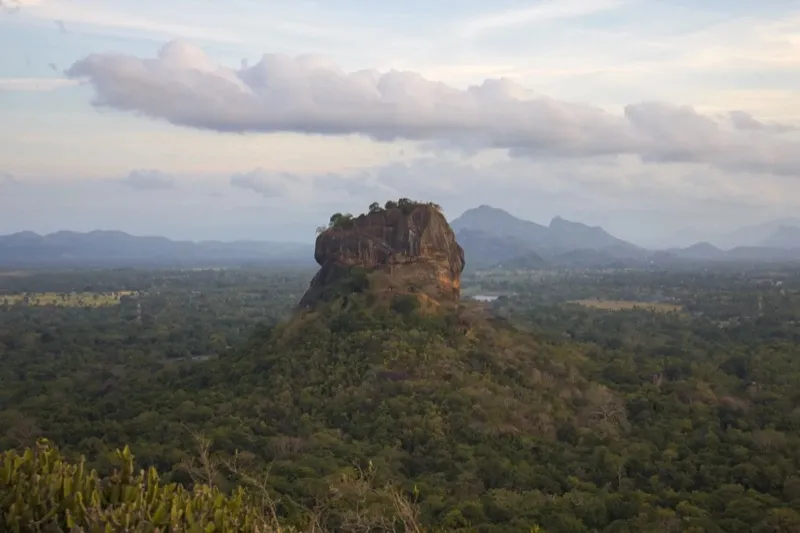
Sri Lanka in two weeks: the classic loop, explained day by day
Two weeks in Sri Lanka: Cultural Triangle, Kandy, the hills, Ella, Yala and the south coast. Day by day, with honest travel-time ranges (checked October 2026).
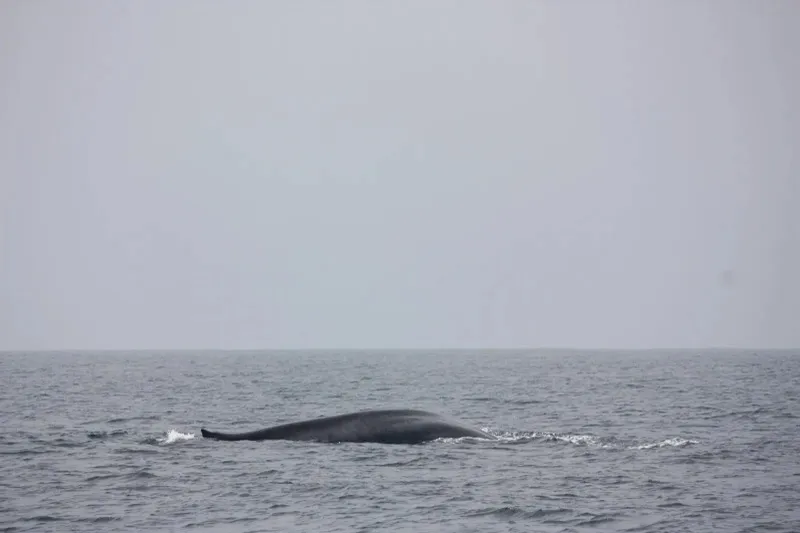
Whale watching from Mirissa: the season, and how to choose a responsible boat
Most Mirissa whale trips run November to April. Sightings are not guaranteed and have fallen recently. The season, the rules, and how to choose a boat.
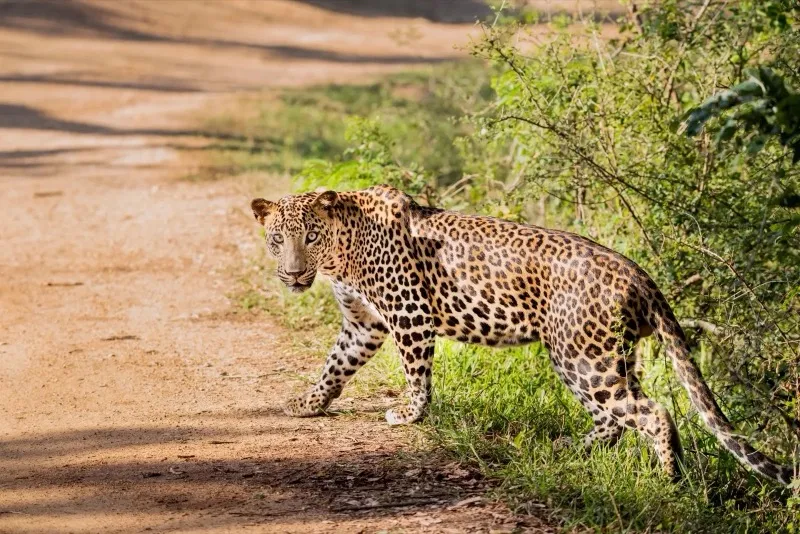
When to see leopards in Yala, and how to choose a responsible safari
Leopards are seen in Yala all year. Best odds: the first and last hours of the day, in the drier May to September months. Fees, rules and ethical choices.
More guides in Planning